China Approves the World's First Commercial Brain-Computer Interface (BCI) Medical Device
Created: Views: 4
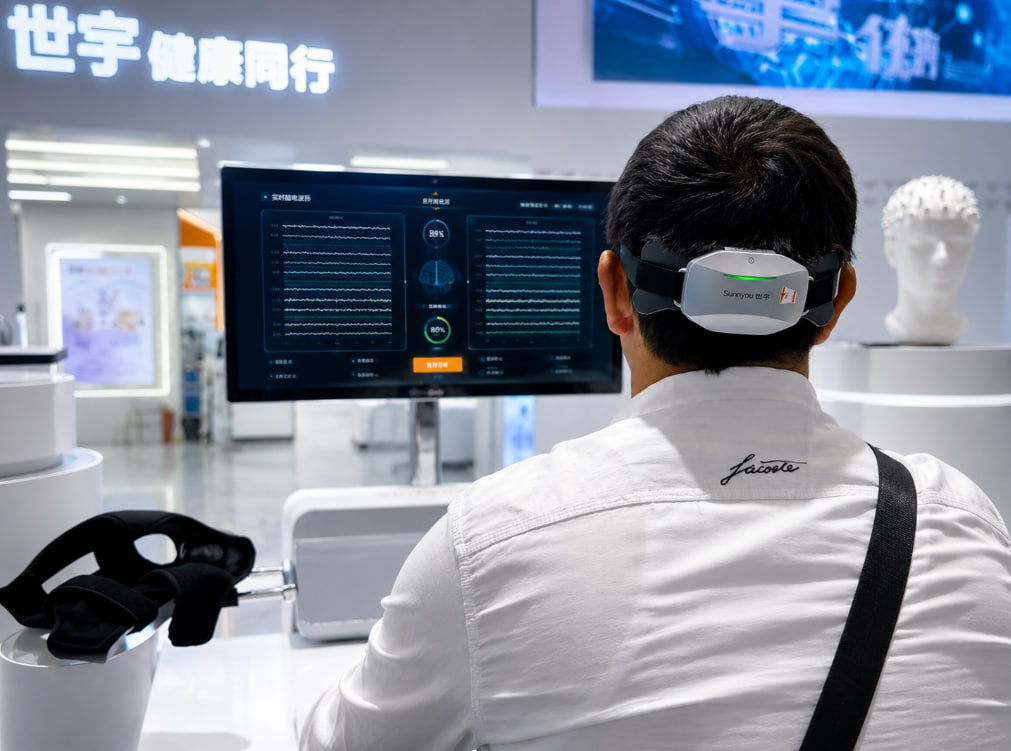
China Approves the World's First Commercial Brain-Computer Interface (BCI) Medical Device
📅 July 3, 2026
📂 Category: Rehabilitation Technologies | Artificial Intelligence | Neurotechnology
A Historic Milestone in Neurorehabilitation
A significant milestone has been reached in the field of rehabilitation and neurotechnology. China has become the first country in the world to approve a commercial Brain-Computer Interface (BCI) medical device for clinical use.
This approval represents an important step toward the future of rehabilitation medicine. Experts believe that Brain-Computer Interface technology could play a major role in restoring movement and improving quality of life for people affected by stroke, spinal cord injuries, and other neurological disorders.
What Is a Brain-Computer Interface (BCI)?
A Brain-Computer Interface (BCI) is an advanced technology that establishes a direct communication pathway between the human brain and external electronic devices.
The system works by:
recording brain activity;
analyzing neural signals using artificial intelligence;
translating those signals into digital commands;
controlling robotic devices, prosthetic limbs, or other assistive technologies.
Simply put, a patient may be able to control a robotic device simply by intending or imagining a movement.
Who Can Benefit from This Technology?
Brain-Computer Interface technology has the potential to support rehabilitation for patients with:
Stroke-related paralysis
Spinal cord injuries
Amyotrophic Lateral Sclerosis (ALS)
Traumatic brain injuries
Upper and lower limb motor impairments
Other neurological disorders
In the future, BCI is expected to work alongside robotic rehabilitation systems, Virtual Reality (VR), exoskeletons, and artificial intelligence to deliver more personalized rehabilitation programs.
Why Is This Approval Important?
Modern rehabilitation is no longer focused solely on strengthening muscles. Today's goal is to promote neuroplasticity—the brain's ability to reorganize and create new neural connections.
Brain-Computer Interface technology may help by:
interpreting brain signals in real time;
supporting motor function recovery;
improving communication between the brain and assistive devices;
enabling personalized rehabilitation strategies.
These innovations could significantly improve rehabilitation outcomes in the coming years.
The Future of Rehabilitation
Rehabilitation medicine is rapidly evolving through the integration of advanced technologies, including:
Brain-Computer Interface (BCI)
Artificial Intelligence (AI)
Robotic Rehabilitation
Virtual Reality (VR)
Electrical Nerve Stimulation
Robotic Exoskeletons
Wearable Sensors
Tele-rehabilitation
Experts predict that these technologies will become standard components of next-generation rehabilitation centers.
ANSOR MED Perspective
At ANSOR MED, we believe the approval of the world's first commercial Brain-Computer Interface medical device represents a major breakthrough in rehabilitation medicine.
Healthcare is entering a new era where artificial intelligence, robotics, neurotechnology, and digital rehabilitation work together to improve patient outcomes.
Our mission is to introduce innovative, evidence-based rehabilitation technologies to healthcare providers across Uzbekistan and contribute to the modernization of rehabilitation services.
Although Brain-Computer Interface technology is not yet a standard treatment for all patients, its commercial approval demonstrates that the future of neurorehabilitation is becoming a reality.
ANSOR MED will continue to follow global innovations and share the latest developments in rehabilitation medicine with healthcare professionals and patients.
Conclusion
The approval of the world's first commercial Brain-Computer Interface medical device marks an important step forward in neurorehabilitation.
While the technology is still evolving, it has the potential to transform rehabilitation for stroke survivors and patients with neurological disorders.
ANSOR MED remains committed to bringing the latest medical technologies and rehabilitation innovations to Uzbekistan.
Frequently Asked Questions
What is Brain-Computer Interface (BCI)?
Brain-Computer Interface is a technology that enables direct communication between the human brain and external electronic devices.
Can BCI cure stroke?
No. BCI does not cure stroke. It is designed to support rehabilitation and improve functional recovery.
Is BCI available in Uzbekistan?
Currently, BCI is not widely available in clinical practice in Uzbekistan, but global research and commercialization are progressing rapidly.