# Artificial Intelligence Is Opening New Opportunities for Speech Recovery After Stroke
Created: Views: 4
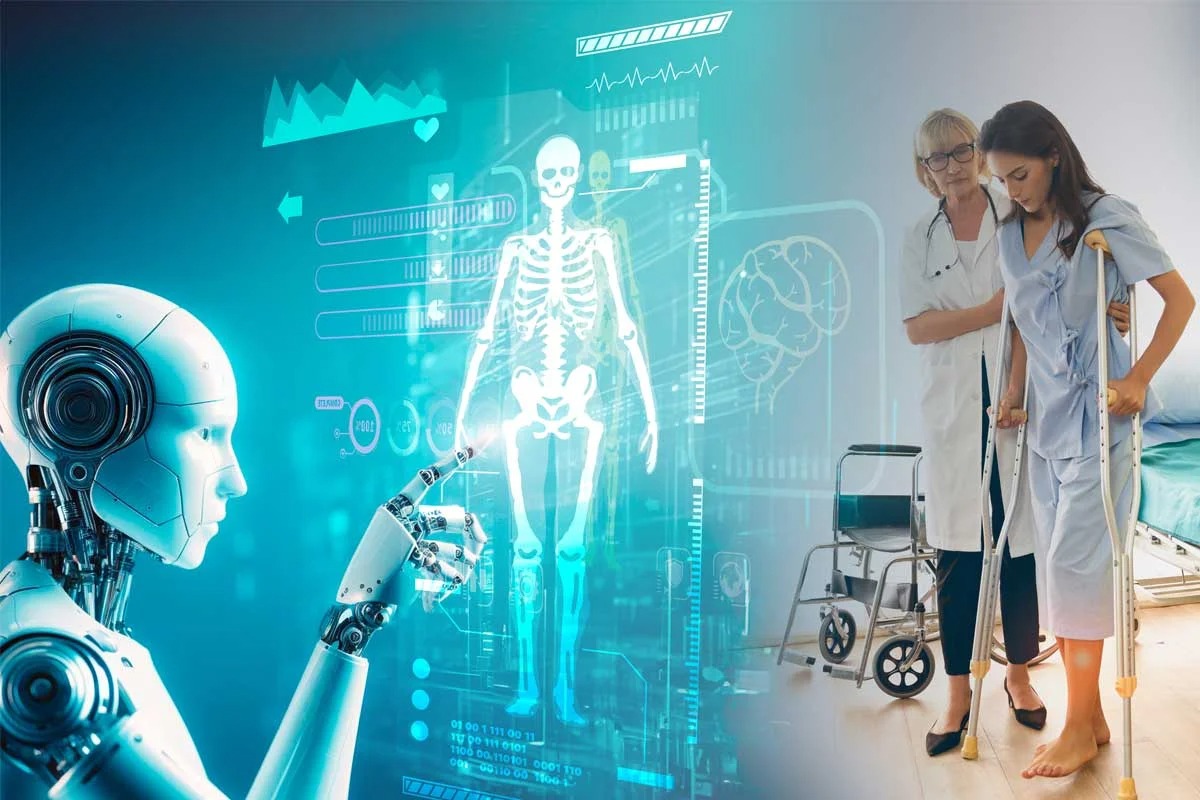
# Artificial Intelligence Is Opening New Opportunities for Speech Recovery After Stroke
## Modern Technologies Are Transforming Rehabilitation
Stroke remains one of the leading causes of long-term disability worldwide. Many stroke survivors experience not only impaired mobility but also partial or complete loss of speech. Recent advances in artificial intelligence (AI) are creating new opportunities to improve speech rehabilitation.
New AI-powered systems are being developed to analyze weak vocal sounds, throat muscle activity, and other physiological signals, converting them into understandable speech. These technologies have the potential to significantly improve communication for people living with aphasia after stroke.
## How Does AI Work?
Artificial intelligence algorithms are trained using thousands of speech samples. The system analyzes weak vocal signals or muscle activity produced by the patient and converts them into clear, natural speech, often in real time.
Key benefits include:
* improving communication between patients and caregivers;
* increasing the effectiveness of rehabilitation sessions;
* helping therapists monitor patient progress;
* supporting greater independence and social participation.
## A Comprehensive Rehabilitation Approach Is Essential
Healthcare professionals emphasize that AI is not intended to replace speech-language therapists, neurologists, or rehabilitation specialists. Instead, it serves as an advanced tool that enhances existing rehabilitation programs.
Successful speech recovery typically includes:
* speech and language therapy;
* cognitive rehabilitation;
* physical therapy;
* robotic rehabilitation technologies;
* consistent practice and active patient participation.
## Looking Ahead
Although AI-based speech recovery technologies are still evolving, experts believe they will become an important part of rehabilitation centers in the coming years. These innovations are expected to improve recovery outcomes and help stroke survivors regain confidence and return to everyday life more quickly.
## ANSOR MED Recommendation
The best rehabilitation outcomes are achieved by combining innovative technologies with the expertise of qualified rehabilitation professionals. Robotic rehabilitation systems, balance training devices, gait training equipment, and other advanced medical technologies can help make rehabilitation more effective, efficient, and patient-centered.